




Mold indoors poses significant health risks and property damage. Emergency restoration services are crucial after water damage or fires. Certified mold remediation specialists use advanced techniques and equipment for safe, thorough remediation. The process includes assessment, isolation, containment, removal, and dehumidification. Regular maintenance prevents recurrence by addressing moisture issues and ensuring proper ventilation. Property Restoration of the Capital Region offers expert emergency restoration services and post-remediation care strategies.
In the face of unexpected water damage or mold infestations, prompt and professional intervention is paramount for maintaining a safe and healthy living environment. Certified mold remediation specialists play a critical role in these emergency restoration services, offering expertise that goes beyond basic cleanup. Their specialized knowledge ensures thorough removal, prevents recurrence, and mitigates potential health risks associated with mold. With rapid response times and meticulous techniques, these professionals safeguard homes and businesses, restoring them to their pre-damaged conditions. This article provides an insightful guide to locating certified specialists nearby, empowering individuals to take proactive measures in safeguarding their spaces.
- Understanding Mold: Signs & Health Risks
- The Role of Certified Specialists in Remediation
- Locating Reliable Emergency Restoration Services
- Safety Measures & Personal Protective Equipment (PPE)
- The Remediation Process: Step-by-Step Guide
- Preventing Mold Recurrence: Post-Remediation Tips
Understanding Mold: Signs & Health Risks

Understanding Mold: Signs & Health Risks
Mold is a ubiquitous presence in our environment, often growing unseen behind walls, in basements, or within damp spaces. While beneficial to ecosystems, its proliferation indoors can spell trouble for human health and property integrity. Recognizing mold’s subtle yet insidious nature is crucial for prompt action and effective mitigation. Common signs include musty odors, visible black or green patches on surfaces, and water damage indicators such as warped flooring or peeling paint.
The health risks associated with mold exposure are varied and can range from mild to severe. Short-term effects may include respiratory irritation, coughing, and allergic reactions. Prolonged exposure can exacerbate existing conditions like asthma and lead to more serious complications, including neurological issues and immune system disorders. Young children, the elderly, and individuals with compromised immune systems are particularly vulnerable. Data from the Environmental Protection Agency (EPA) underscores the urgency, indicating that one in every three homes in the U.S. may harbor mold, highlighting the pervasive nature of this hidden menace.
When crisis strikes, whether due to water damage, storm surges, or other disasters, emergency restoration services become invaluable. Trained to handle any crisis, Property Restoration of the Capital Region and its team of experts offer local community support during challenging times. Their expertise in mold remediation ensures not only the removal of visible mold but also addresses the underlying moisture issues that foster its growth. By focusing on rebuilding lives post-disaster, they go beyond mere property restoration, offering peace of mind and a fresh start for those affected. This holistic approach, combined with advanced techniques and products, ensures that homes and communities are restored to their pre-loss conditions, fostering resilience against future mold-related crises.
The Role of Certified Specialists in Remediation

When faced with water damage or mold infestations, turning to certified mold remediation specialists near you is a crucial step towards ensuring your property is safely, securely, and thoroughly restored. These professionals are equipped with the knowledge and expertise to handle such emergencies effectively, minimizing potential health risks associated with mold and promoting a swift recovery. Trusted emergency restoration pros like Property Restoration of the Capital Region offer specialized services that go beyond basic repair; they focus on comprehensive flood recovery and mold remediation solutions.
In recent years, the importance of professional mold removal has gained significant attention due to increasing awareness of health hazards linked to mold growth. According to the Environmental Protection Agency (EPA), mold can cause a range of issues, from respiratory problems and allergies to more severe health complications for individuals with compromised immune systems. This is why engaging certified specialists is paramount. These experts employ advanced techniques and equipment to detect hidden mold sources, ensure proper removal, and prevent future growth. They follow strict protocols to contain the affected area, protect themselves, and safeguard your belongings during the remediation process.
Emergency restoration services naturally involve a multi-step approach. After an initial assessment, specialists create a tailored plan addressing structural damage, decontamination, and disposal of contaminated materials. They use advanced air purification systems and negative pressure techniques to eliminate airborne mold spores, ensuring a safe environment for both residents and workers. Property Restoration of the Capital Region, for instance, has successfully handled numerous cases, transforming damaged spaces into safe, secure, and restored habitats. By prioritizing the health and well-being of their clients, these certified professionals stand as a reliable game-changer in flood recovery services, offering peace of mind during challenging times.
Locating Reliable Emergency Restoration Services

When facing a crisis, whether it’s water damage from a burst pipe or fire destruction, having access to reliable emergency restoration services is invaluable. The ability to respond swiftly and effectively can mitigate extensive property damage and ensure your safety. In such challenging situations, Property Restoration of the Capital Region stands as a beacon of expertise, offering emergency restoration services tailored to meet the unique needs of each client.
Locating reputable specialists isn’t merely about finding a local service provider; it involves vetting professionals equipped to handle any crisis. The National Fire Protection Association (NFPA) estimates that over 642,000 structural fires occur annually in the U.S., underscoring the critical need for rapid and competent intervention. Trained personnel with advanced equipment are essential to navigate these labyrinthine situations effectively. Look for companies certified by leading industry organizations like the Institute of Inspection, Cleaning, and Restoration Certification (IICRC), ensuring they adhere to stringent standards and protocols.
In the [City Name] area, response times can make a profound difference in minimizing loss. Top-tier emergency restoration services pride themselves on quick turnaround times, often guaranteeing 1-3 hour responses. This rapid intervention allows for efficient containment, extraction, and decontamination processes, preventing further damage and providing peace of mind during what is already a stressful experience. Property Restoration of the Capital Region’s commitment to swift action sets them apart, ensuring clients that their properties are in capable hands.
When experiencing a loss, don’t settle for less than exceptional care. The right emergency restoration services can transform a devastating event into a manageable transition, restoring not just your property but also your sense of security and stability.
Safety Measures & Personal Protective Equipment (PPE)
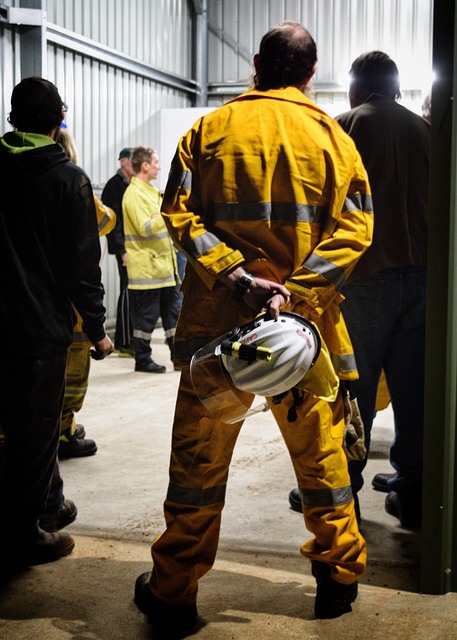
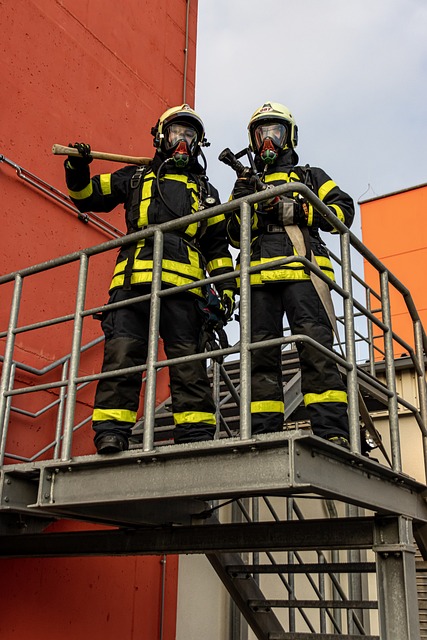
When faced with mold growth, especially after water damage, turning to certified mold remediation specialists is crucial for a safe and effective solution. These professionals are equipped with the knowledge and tools to handle such situations, prioritizing both human health and environmental preservation. Safety measures and personal protective equipment (PPE) form the bedrock of their operations, ensuring that every step taken during emergency restoration services is conducted without risk. For instance, PPE may include specialized suits, masks, and gloves designed to protect against mold spores, chemical contaminants, and other hazardous elements often found in affected areas.
Local disaster recovery teams, composed of experienced water mitigation experts, play a vital role in these operations. They are trained to swiftly assess the situation, implement emergency board-up and tarping services to prevent further damage, and begin the remediation process. For instance, Property Restoration of the Capital Region, a reputable name in local disaster recovery, emphasizes the importance of quick action and comprehensive protection through their expert handling of mold remediation and water mitigation tasks. This proactive approach not only stops the spread of mold but also mitigates structural damage, ensuring that homes or commercial properties are restored to their pre-loss condition.
Data from recent studies highlights the significance of professional mold remediation. Unaddressed mold growth can lead to severe health issues for occupants, particularly those with respiratory conditions. Therefore, it’s essential to engage experienced professionals who adhere to industry standards and guidelines. By doing so, you not only protect your health but also contribute to the preservation of a safe, healthy living or working environment, avoiding costly long-term consequences that may arise from inadequate remediation efforts.
The Remediation Process: Step-by-Step Guide

The mold remediation process involves a series of meticulous steps designed to ensure the safe and effective removal of mold from affected areas. This is particularly crucial in emergency restoration services where swift action can prevent further damage and mitigate health risks. Here’s a comprehensive, step-by-step guide to understanding this critical process:
1. Assessment and Isolation: The first step involves thorough assessment by certified mold remediation specialists. They inspect the property, identify mold sources, and isolate affected areas using barriers, air filters, and negative pressure to prevent mold spores from spreading. This is where expertise matters; specialists like Property Restoration of the Capital Region employ advanced tools and techniques for precise identification.
2. Containment and Ventilation: Once isolated, the area is thoroughly ventilated to reduce humidity levels, a key factor in mold growth. Containment measures are enhanced with HEPA (High-Efficiency Particulate Air) filters to trap mold spores, ensuring they don’t escape into livable spaces. This step ensures the safety of both residents and restoration workers.
3. Removal and Cleaning: Certified specialists then proceed to remove contaminated materials, using personal protective equipment (PPE) for their own safety. This involves carefully dismantling and discarding affected materials, such as drywall or insulation, depending on the extent of mold infestation. In cases of severe damage, especially post-disaster home remodeling, it becomes essential to rebuild from the ground up for a complete and safe renovation.
4. Dehumidification and Monitoring: After removal, dehumidifiers are used to reduce moisture levels below the threshold that encourages mold growth (typically 50% relative humidity). Regular monitoring with moisture meters ensures that the area remains dry. This step is crucial in fast & reliable restoration, as it allows for swift return to normal living conditions, rebuilding lives post-disaster one step at a time.
Preventing Mold Recurrence: Post-Remediation Tips

After successfully remediating mold, preventing recurrence is paramount to ensure a resilient recovery. While professional emergency restoration services naturally play a crucial role in eliminating existing mold and repairing damaged areas, ongoing maintenance and vigilance are essential to stop future growth. Mold thrives in damp environments, so addressing moisture issues is key. This includes fixing leaks promptly, improving ventilation in humid areas like bathrooms and kitchens, and ensuring proper drainage around your property to prevent water from pooling. Regular inspection is also vital; examining hidden spaces behind walls or under floors for signs of moisture intrusion or mold development can catch potential problems early.
In addition to addressing moisture concerns, incorporating preventive measures into your home or business maintenance routine is crucial. This includes maintaining low indoor humidity levels using dehumidifiers or air conditioning during humid months, regularly cleaning and drying areas prone to condensation, and promptly addressing any water damage incidents, even seemingly minor ones. Consider working with local disaster recovery teams or resilient recovery solutions near you who can offer tailored advice based on your region’s specific climate and potential mold-inducing conditions.
For homeowners, Property Restoration of the Capital Region, your neighbor in times of need, can provide expert guidance on post-remediation care. They understand that each situation is unique and can offer customized strategies to protect your property from future mold outbreaks. Remember, proactive measures are always more effective and less costly than reactive cleanup after a mold infestation has taken hold. By implementing these preventative steps, you contribute to creating an environment that discourages mold growth and ensures a healthier living or working space for years to come.
By understanding the signs of mold growth and its potential health risks, readers are now equipped to recognize and address the issue promptly. The article highlights the critical role of certified mold remediation specialists in effectively managing and mitigating mold problems. Locating reliable emergency restoration services is a key step towards ensuring swift action during urgent situations. With an emphasis on safety, including proper personal protective equipment (PPE), individuals can approach mold remediation with confidence. The comprehensive guide outlines a systematic process, from assessment to cleanup, providing a practical toolkit for successful remediation. Finally, post-remediation tips emphasize the importance of preventing recurrences, ensuring long-term solutions and peace of mind. This authoritative article serves as a valuable resource, empowering readers to take proactive measures regarding mold issues, with the ultimate goal of fostering safer living environments through the expertise of emergency restoration services.