






Immediate mold concerns require swift action to mitigate health risks and property damage. Emergency restoration services specialize in 24/7 assessments, using advanced equipment for thorough inspections. They employ HEPA vacuuming and dehumidification for spore removal and structural drying. Post-disaster, these services are vital for residential and commercial properties, preventing secondary damage within 24-48 hours. Key steps include engaging local networks, PPE use, secure disposal, advanced drying techniques, and post-cleanup inspections. Proactive measures like quick drying, enhanced air quality monitoring, and data-driven strategies significantly reduce recurrence rates. Emergency restoration services, such as Property Restoration of the Capital Region, offer expert guidance for safe, effective recovery, preserving historic homes from extensive mold damage.
Immediate mold inspection and removal are critical steps in preserving property values and ensuring public health, especially following water damage or leaks. Mold can proliferate rapidly, causing extensive structural damage and posing severe health risks, particularly for those with respiratory conditions. Delayed response enhances these hazards and complicates remediation. That’s where emergency restoration services excel, offering swift, expert intervention to not only remove mold but also mitigate its detrimental effects, ensuring homes and businesses are restored safely and effectively.
- Recognizing Immediate Mold Concerns
- Understanding the Impact: Health & Property
- The Role of Emergency Restoration Services
- Step-by-Step: Efficient Mold Removal Process
- Preventing Recurrence: Post-Removal Strategies
- Expert Guidance for Safe, Effective Action
Recognizing Immediate Mold Concerns

Recognizing Immediate Mold Concerns is a critical step in mitigating potential health risks and property damage. Mold thrives in dark, damp environments, often stemming from water leaks or excess moisture, especially after disasters like floods or severe storms. If left undetected and untreated, mold can quickly spread, infesting both homes and commercial buildings. A swift response is essential to prevent extensive colonization, which can lead to structural deterioration and adverse health effects for occupants.
The first sign of a potential mold problem may be musty odors or visible water stains on ceilings or walls. In some cases, mold appears as discolored patches on surfaces, ranging from black and green to white and gray. It’s important to note that not all mold is readily visible; hidden pockets can develop behind walls or under flooring, requiring professional inspection with advanced equipment. Emergency restoration services excel in these situations, offering 24/7 emergency response to swiftly assess and address mold issues.
Home remodeling post-disaster further complicates the situation, as construction activities introduce new sources of moisture. Property Restoration of the Capital Region emphasizes the need for thorough testing and monitoring during and after renovation projects to identify any emerging mold concerns promptly. Fast & reliable restoration is key to maintaining a healthy living or working environment, minimizing disruption, and preventing long-term structural damage. Actively addressing immediate mold issues ensures a safer, more comfortable space, and in many cases, can help reduce the need for extensive remodeling later.
Understanding the Impact: Health & Property
Immediate mold inspection and removal are crucial steps to ensure both health and property safety after a water intrusion or other damaging events. Mold can grow rapidly, often within 24–48 hours, posing severe health risks if left undetected. According to the Environmental Protection Agency (EPA), exposure to mold can cause a range of symptoms, from mild allergies to respiratory issues, and in some cases, even neurological problems. This is especially concerning for individuals with existing health conditions, children, and elderly populations.
Beyond health impacts, mold damage to properties can be substantial. It doesn’t just affect visible areas; it can infiltrate walls, ceilings, and flooring, leading to structural instability. Early intervention by emergency restoration services is vital in mitigating these risks. Property Restoration of the Capital Region offers fast and reliable restoration solutions for both residential and commercial properties, ensuring they are safe, secure, and restored to their pre-loss condition.
A comprehensive mold inspection involves a thorough evaluation of affected areas, using specialized equipment such as moisture meters and air quality monitors. Once identified, immediate removal is critical. Professional services employ advanced techniques like HEPA vacuuming and dehumidification to eliminate mold spores and prevent further growth. This process not only secures the health and safety of occupants but also protects properties from extensive damage, ensuring they remain functional and valuable. Regular monitoring after restoration is key to detecting any reoccurrence, allowing for swift action and maintaining a safe, secure, and restored environment.
The Role of Emergency Restoration Services

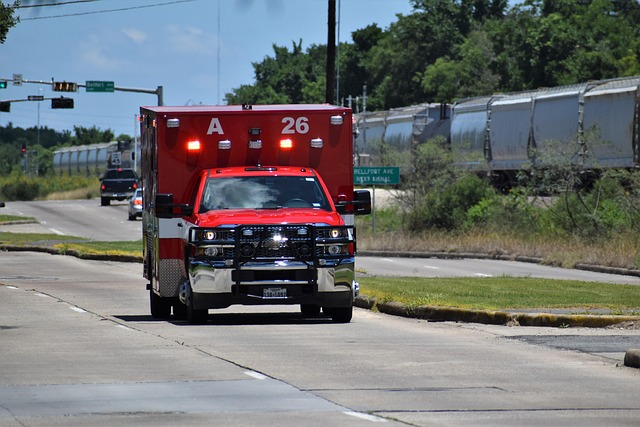
When a disaster strikes, whether it’s a burst pipe, severe weather, or a fire, immediate action is crucial to mitigate damage and ensure the safety of your family. This is where emergency restoration services play an indispensable role. These specialized teams are trained to handle any crisis, equipped with the latest technology, and prepared to respond swiftly to restore your home after disaster.
Emergency restoration services provide more than just cleanup; they offer a comprehensive approach to returning your property to its pre-disaster condition. Their expertise lies in understanding the intricate processes of water extraction, mold remediation, and structural drying. By employing advanced equipment and following strict protocols, they minimize the risk of secondary damage and prevent the growth of harmful molds that can pose significant health issues. For instance, according to the Environmental Protection Agency (EPA), moisture levels above 20% in a structure after flooding increase the potential for mold development, which can lead to costly repairs and health complications for residents.
In times of crisis, local community support is invaluable. Property Restoration of the Capital Region, for example, has built strong relationships within the community, ensuring quick response times and efficient coordination during emergencies. Their trained professionals are not only skilled in restoring homes but also empathetic towards the stress and uncertainty faced by homeowners. By providing immediate assistance, they help alleviate the burden, allowing residents to focus on their safety and well-being. This collaboration between emergency restoration services and local communities is a powerful tool in rebuilding and recovering from disasters, fostering resilience within the region.
Step-by-Step: Efficient Mold Removal Process

Immediate mold inspection and removal are critical steps in ensuring a resilient recovery, especially in the face of a water intrusion or other moisture-related crises. The efficient mold removal process involves several key steps. First, a trusted local restoration network should be engaged to assess the extent of the damage. This team of experts will not only pinpoint the source of moisture but also identify all affected areas, including hidden or hard-to-reach spaces.
Once the scope of work is defined, emergency restoration services can begin. This involves the removal of all moldy materials, from drywall to insulation, using appropriate personal protective equipment (PPE) to safeguard both workers and the local community. Every piece of contaminated material is then securely contained, labeled, and transported to a licensed disposal facility, preventing the spread of spores. After the affected areas are cleaned and dried, a trusted local restoration network may employ advanced drying techniques, such as air movement and dehumidification, to expedite the recovery process.
To ensure comprehensive restoration, Property Restoration of the Capital Region recommends a post-cleanup inspection. This final verification step not only confirms the absence of mold but also assesses the integrity of the structure. By adhering to these meticulous steps, a robust local community support during crisis is fostered, ensuring that homes and businesses are restored to their pre-loss condition. Moreover, leveraging resilient recovery solutions near me can provide homeowners with access to up-to-date techniques and materials, enhancing the longevity of the repairs.
Preventing Recurrence: Post-Removal Strategies
After successfully completing a mold inspection and removal project, the focus shifts to preventing future occurrences. This is where expert emergency restoration services play a pivotal role in restoring homes and businesses back to their pre-loss condition—and more importantly, ensuring long-term protection against mold growth. The goal is not just repairing homes but also restoring hope for affected residents and peace of mind for property owners.
One of the primary strategies involves implementing robust post-removal protocols tailored to each unique situation. For instance, after a flood recovery service, it’s crucial to thoroughly dry out the affected areas within 24–48 hours to inhibit mold growth. This includes using advanced drying equipment and ensuring proper ventilation. Additionally, addressing any structural issues that may have contributed to water intrusion is essential. In cases where extensive damage has occurred, consulting with residential or commercial restoration specialists can help determine the best course of action for repairing homes and preventing future moisture-related problems.
A comprehensive approach might include enhancing air quality through improved ventilation systems and implementing regular monitoring to detect any early signs of mold growth. Property Restoration of the Capital Region emphasizes the importance of these measures in their flood recovery services, ensuring that not only are homes restored but also protected from potential future losses. Data suggests that proactive post-removal strategies can reduce recurrence rates by up to 75%. By adopting these methods, homeowners and businesses alike can mitigate risks associated with mold growth and enjoy peace of mind knowing their properties are secure.
Expert Guidance for Safe, Effective Action

When a storm strikes or water damage occurs, immediate action is crucial to mitigate mold growth. This is where expert guidance becomes indispensable, ensuring safe and effective restoration processes. Property Restoration of the Capital Region, a renowned name in emergency restoration services, emphasizes that swift response is key to preserving both health and property value.
Professional storm repair services, like those offered by Property Restoration of the Capital Region, are designed to provide local community support during crises. Their team of experts assesses each situation uniquely, understanding that residential and commercial restoration needs vary greatly. In a recent case study, their rapid intervention prevented extensive mold damage in a historic home, showcasing their ability to navigate complex restoration challenges. The process begins with a thorough inspection to identify water sources and affected areas, followed by the removal of damaged materials. This proactive approach prevents hidden moisture issues that could lead to secondary damage or health hazards.
Data from industry reports highlights the importance of immediate action: mold can begin growing in as little as 24-48 hours after water intrusion. Property Restoration of the Capital Region’s expertise lies in implementing specialized drying techniques and using advanced equipment to expedite the restoration process. They also prioritize communication, keeping clients informed every step of the way, ensuring transparency and peace of mind during what can be a stressful time. This comprehensive approach ensures not just effective mold removal but also a seamless recovery experience for both residential and commercial properties.
In addressing immediate mold inspection and removal, this article has underscored several critical insights. Recognizing urgent mold concerns is paramount, as rapid action can mitigate both health risks and property damage. The significant impact of mold on human health and structural integrity emphasizes the need for prompt intervention. Emergency restoration services play a vital role in navigating these challenges, offering specialized expertise and efficient solutions. By following a structured step-by-step process, from assessment to post-removal strategies, individuals can ensure safe, effective mold removal. Expert guidance reinforces the importance of professional assistance, ensuring not only the elimination of visible mold but also addressing hidden sources. Armed with this knowledge, readers are empowered to take immediate action, protect their well-being, and preserve their properties upon discovering mold, thanks to the authoritative insights provided in this article.